
RC
Returning customer, 480 USD cart, SMS consent
SMS
in 20 min
No discount
Why this message. Loyal buyer with a high-value cart. A quick reminder is enough, so we keep your margin.
Abandoned checkout recovery brings back shoppers who started checkout, gave an email or phone number, and left before paying. CartAbandon reads why each one stopped, then picks the channel, the delay and the offer for that person. Loyal buyers get a reminder, not a coupon. Price-sensitive first-timers get a small, capped incentive.
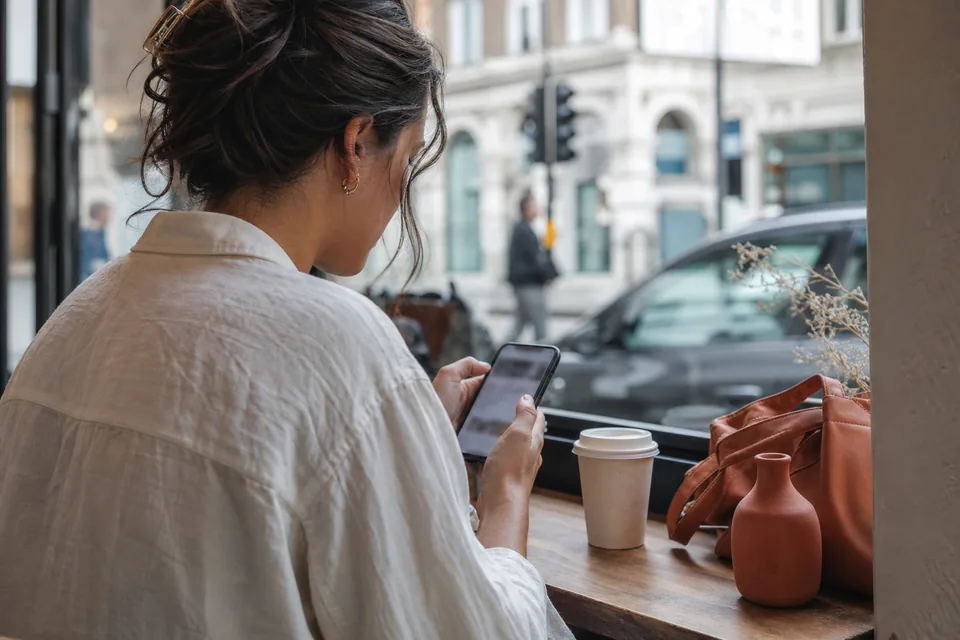
A shopper who reaches checkout has already chosen the product, the size and the quantity. Most of them typed an email or phone number too. That makes them the highest intent group you can win back, and the easiest to reach.
Compare the stages of abandonment:
| Stage | What the shopper did | Contact known | Intent |
|---|---|---|---|
| Browse | Viewed a product, left | Only if they are a known contact | Low |
| Cart | Added to cart, left | Sometimes | Medium |
| Checkout | Started checkout, typed contact details, left | Yes, in most cases | High |
| Payment | Tried to pay, card failed | Yes | Very high |
Checkout recovery is the step after a cart abandonment flow. The message can be more direct, because the shopper was one click from buying. It can also be faster, since the reason they left is often small and fixable.
Shopify has a built-in abandoned checkout email. It sends the same message to everyone, at the same delay. That is a fine start, but it leaves money on the table in two ways.
CartAbandon connects to Shopify through an app install, to WooCommerce through REST API keys and to Magento (Adobe Commerce) through an integration token. It can run alongside your current tools, with frequency caps so nobody gets two reminders for the same checkout. See the Shopify abandoned cart app page for setup details.
People rarely leave checkout because they stopped wanting the product. They leave because something got in the way. The usual reasons are:
Each reason needs a different reply. Shipping shock may need free shipping. Payment trouble needs a secure way to pay, not a coupon. An interruption needs only a short, timely reminder. For the fixes you can make on the store itself, read our guide on how to reduce cart abandonment.
For every abandoned checkout, the Recovery Brain looks at the shopper and the cart before it sends anything. It weighs:
Then it decides four things: which channel, how long to wait (minutes to days), which offer (none, free shipping, percent or fixed amount, capped by your margin rules) and what the message says, written by AI in your brand voice.
These are illustrative examples, not results from a real store.
Every decision is logged with a plain-English reason under "Why this message", so you can see exactly why a shopper got an offer or did not. Learn more about the logic on the Recovery Brain page.
You set the rules once. The Recovery Brain never steps outside them.
Marketing messages go only to people with recorded consent. Every email has a one-click unsubscribe, every SMS respects the STOP keyword, and WhatsApp has a clear opt-out.
One small async script loads on your storefront. The recovery logic runs on our servers, so your pages stay fast.
Checkout, cart and browse flows are included from Starter at 49 USD per month, or 24 USD per month billed yearly. Starter includes 250 SMS per month. Recovery Brain per-cart decisions, dynamic discounts with margin guardrails, WhatsApp and larger SMS limits start on Growth at 149 USD per month, or 74 USD per month billed yearly. Prices are flat. There is no percent of recovered revenue and no per-message bill. Your ROI panel shows "Recovered this month" next to "CartAbandon cost".
FAQ
It is the process of winning back shoppers who started checkout and left before paying. Because most of them typed an email or phone number, you can reach them directly with a reminder or a fix for what stopped them.
A cart abandoner only added items. A checkout abandoner went further and usually shared contact details. Checkout messages can be faster and more direct, and they often address cost or payment problems.
It can, or it can run next to it. You can turn off the built-in email once CartAbandon is live. If you keep both, frequency caps stop double sends to the same shopper.
No. The Recovery Brain only adds an offer when the signals say it is needed, and never above your max discount or below your minimum margin. VIPs and sale items can be on a no-discount list.
Only if they gave SMS consent. CartAbandon records the consent source and time for each contact and channel, honors STOP replies, and holds messages during quiet hours in the shopper's time zone.
It depends on the shopper. The Recovery Brain can send within minutes for a high-intent returning customer, or wait hours for someone who may be comparing prices. You can set limits on the shortest and longest delay.
Enter your store URL and get a revenue estimate in about 20 seconds.